

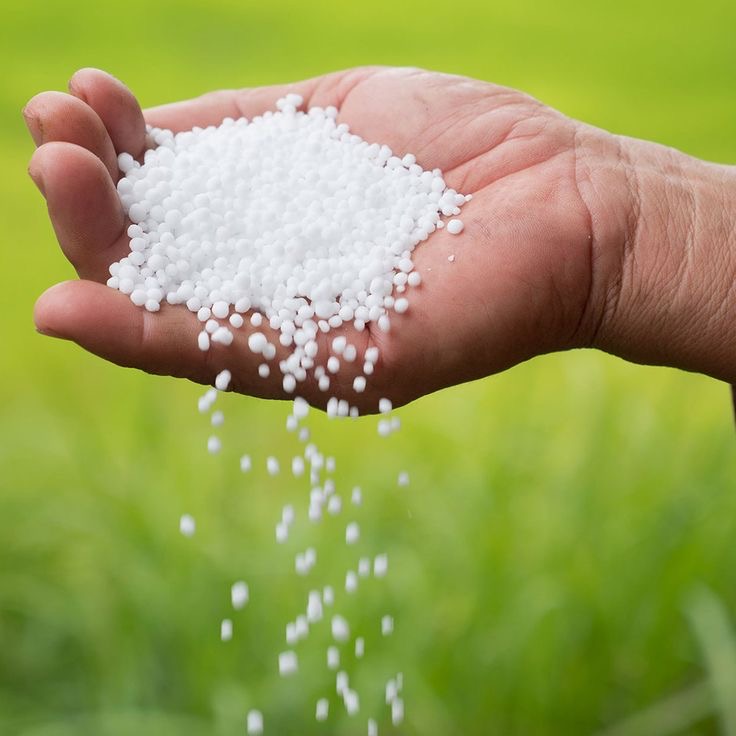


Urea is a white, crystalline organic compound with the formula CO(NH2)2. It is the most commonly used nitrogen fertilizer in agriculture. It is a white, crystalline solid that is soluble in water. Nitrogen is an essential nutrient for plant growth, and urea is a good source of nitrogen for plants.
Urea reigns supreme as the world’s most widely used nitrogen fertilizer. This popularity stems from its high nitrogen content (around 46.6%) at a relatively affordable price. Nitrogen is vital for plant growth, promoting healthy leaves, stems, and ultimately, increased crop yields.
Urea is a versatile compound with a wide variety of applications. It is an important part of the nitrogen cycle and plays a vital role in agriculture, industry, and medicine.
the most important applications of urea:
• Fertilizer: Urea is the most commonly used nitrogen fertilizer in agriculture. It is a white, crystalline solid that is soluble in water. Nitrogen is an essential nutrient for plant growth, and urea is a good source of nitrogen for plants.
• Plastics: Urea is a raw material used in the production of many plastics, such as urea-formaldehyde resins and adhesives. These resins are used in a wide variety of products, including wood glue, plywood, and particleboard.
• Animal feed: Urea can be used as a protein supplement in animal feed. It is a good source of nitrogen, which is essential for animal growth.
• Deicing agent: Urea can be used as a deicing agent to remove ice from roads and sidewalks. It is less corrosive than salt and is therefore less harmful to concrete and other infrastructure.
• Pharmaceuticals: Urea is used in a variety of pharmaceutical products, including skin creams and ointments. It is a humectant, which means that it helps to keep skin moist.
Beyond agriculture, urea plays a significant role in the plastic industry. It serves as a primary raw material for the production of urea-formaldehyde resins, commonly used in adhesives and wood products like plywood and particleboard.
Urea isn’t categorized into fundamentally different chemicals but rather different forms based on its physical characteristics produced to suit various applications. The two most common industrial forms of urea are:
1- Prilled Urea:
These are small, round pellets, typically 1-3 millimeters in diameter. Prills have a smooth, dust-free surface that makes them easy to handle and transport. They are preferred when a free-flowing form of urea is required, such as in fertilizer blending plants or for direct application in the field. Urea prills can also be used in animal feed applications.
2- Granular Urea:
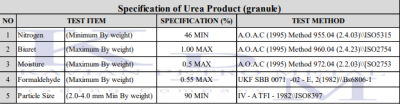
These are larger and more robust than prills, typically ranging from 2 to 4 millimeters in size.
Granules have a higher bulk density than prills, which makes them easier to store and transport over long distances. Their larger size also makes them less prone to dust formation. Granular urea is the preferred form for bulk fertilizer applications. Additionally, anti-caking agents are often incorporated during production to prevent the granules from sticking together during storage and transportation.
Packing; 50 Kg bags, Jumbo Bags, Bulk
Producers: PPC, SHIRAZ PC, KERMANSHAH PC (KPIC), KHORASAN PC,
Payment Terms: 30% cash in advanced & 70% against documents – with LC
Delivery Terms: FCA, FOB, CPT, CIF, CFR
SEO Keywords: Urea, Fertilizer, Nitrogen, Plastic, Resin, Adhesives, DEF, Emissions Control, Pharmaceuticals, Moisturizer, Deicing
Reviews
There are no reviews yet.